03 · Workforce strategy
Build your workforce plan before AI builds it for you.
AI is changing what roles require faster than annual planning cycles can track. We help you set the rules for the AI already in use, build a workforce plan that flexes with your strategy, and put senior people leadership at the table to carry it through.
Start a conversation Run a Diagnostic
Josh Bersin's research projects HR functions will shrink 30–50% by 2030 as AI takes over administrative work, while strategic work, including workforce planning itself, rises from 30% to 75% of what HR actually does. The function is being rebuilt either way. The only choice is whether you're the one rebuilding it.
The Josh Bersin Company, HR 2030 Blueprint, 2026
The problem
Strategy is moving faster than organizations can follow.
Leadership teams are rethinking direction more often than ever. Markets shift. Costs rise. Competitors move. Regulation changes. And AI is reshaping how work gets done in the middle of all of it.
Most organizations aren't built to adjust at that pace. Workforce plans are still set once a year. AI is being adopted before anyone has decided the rules.
The people inside the organization feel every one of these changes. Each shift raises the same questions: What's changing? What does it mean for my work? Who is making these decisions? When leaders can't answer clearly, people fill the gap with their own assumptions.
Readiness requires three things. Rules for the change that's already here. A plan for the changes that could come next. And leadership to carry the organization through both.

62% of employees feel leaders underestimate AI's emotional and psychological impact, yet only 19% of HR leaders consider these impacts as part of their digital implementation strategy.
Mercer Global Talent Trends, 2026
Services
Three ways we work on this.
The plan and the conversation about the plan are not separate workstreams. They're the same engagement, designed to land together.
Workforce planning
Building a workforce plan for the world you're actually heading into.
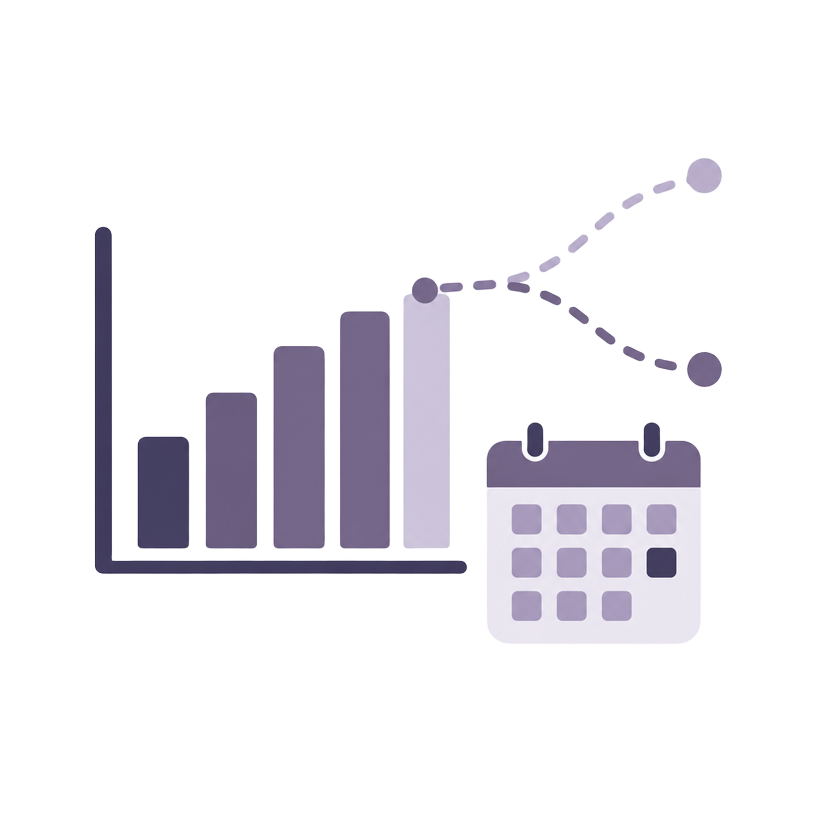
Most workforce plans assume next year's business will look like this year's. It rarely does. We build plans that flex with strategy: scenarios tied to the economic, market, and technology shifts most likely to affect your business, honest analysis of where capability gaps will emerge, and clear choices about how to close them. The goal isn't perfect prediction. It's earlier, better-informed action.
AI policy & governance
Setting the rules for the AI change that's already here.
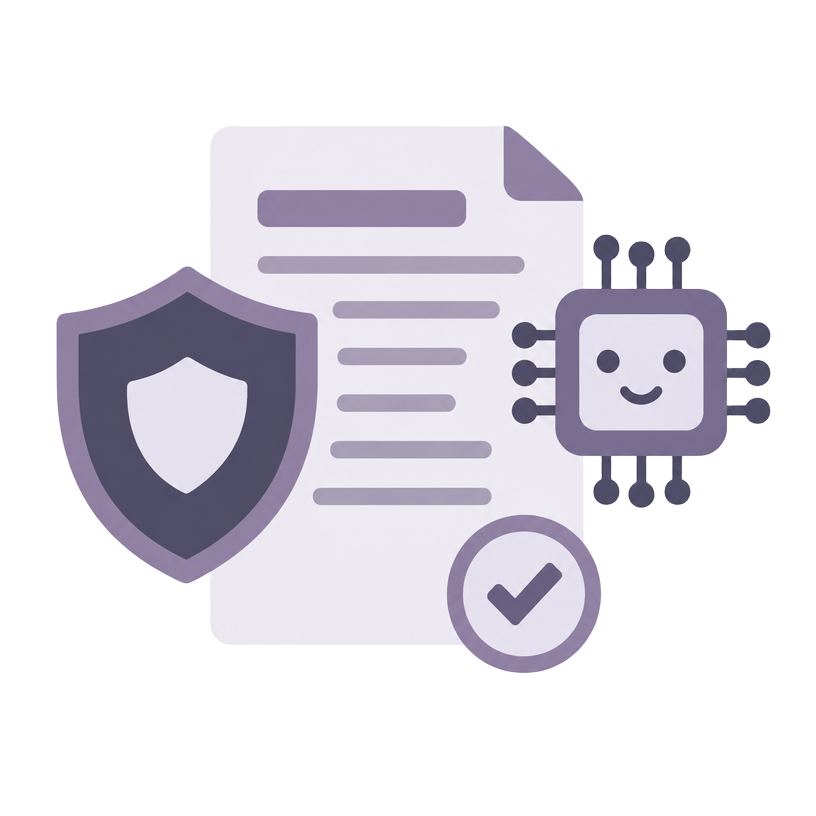
AI is the most visible shift most organizations face right now, and the one most likely to be moving without rules. Most organizations already use AI. Few have decided how. We build governance from the work up: a baseline of how AI is already being used, a practical use policy written in plain language alongside your legal and IT partners, and decision rights that name who approves new uses, who reviews output, and who answers when it's wrong. Then we equip managers to explain what's changing, so guidance reaches every team the same way.
Fractional CHRO
Senior people leadership at the table, without the full-time hire.
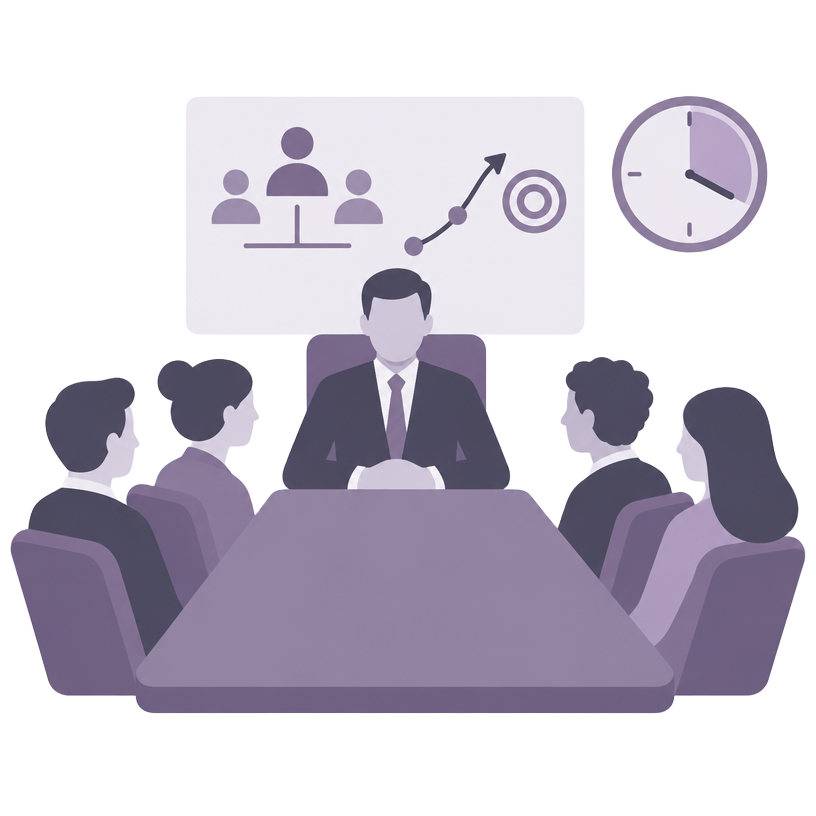
Strategy rarely changes on your schedule. Economic pressure, market shifts, new competitors, regulation, and technology all push leadership teams to rethink where the business is going, often quickly. The organization has to follow, and that's where most strategic shifts stall. Qspired provides fractional CHRO leadership that translates changes in strategy into people decisions: what the business now needs, how the workforce should shift, and how to lead people through it. You get an experienced executive at the table without the full-time hire.
Only 22% of employees say leadership has explained how AI will be applied to their work. The communication gap is rarely a strategy gap, it's a plan that never accounted for the human side of the rollout.
Gallup, 2026
Is this right for you?
Three questions worth asking yourself.
Are you planning headcount, or are you planning capability? Those aren't the same question anymore.
Headcount tells you how many people you have. Capability tells you whether they can do what your strategy actually requires, and whether AI should be doing some of it instead. Most plans are still answering the wrong question.
If your strategy shifted next quarter, would your workforce plan still hold?
It depends on what the plan measures. Headcount tells you how many people you have. Capability tells you whether they can deliver on your strategy, including the version of it you haven't written yet. Most plans are still answering the wrong question.

Who is leading your people strategy right now?
If the answer is the CEO, a generalist HR manager, or no one in particular, your next strategic shift will be planned without anyone dedicated to shepherding the organization through it.