
Case StudyAgile Org Systems
The Delta Air Lines Playbook
Six Best Practices for Building a Skills-Based Organization
August 2026Read

Thinking
AI is changing roles, rewards, and leadership faster than most organizations can absorb. This is where we think out loud about what that means, the same way we would with you, if you were already in the room.
White Papers
Original research and real client stories on how organizations are redesigning work, rewards, and leadership for the AI era.
Six Best Practices for Building a Skills-Based Organization
Articles
Short, practical perspectives on the questions leaders are facing now, from job architecture and pay to leading people through AI-driven change.

Mental health support matters, but AI-driven role ambiguity and conflicting expectations demand a clearer architecture for work.
Why companies recognize AI skills but struggle to reward them fairly, and what a skills-based pay structure requires.

What AI is actually doing to job architecture, and the shift that fixes it.
Video
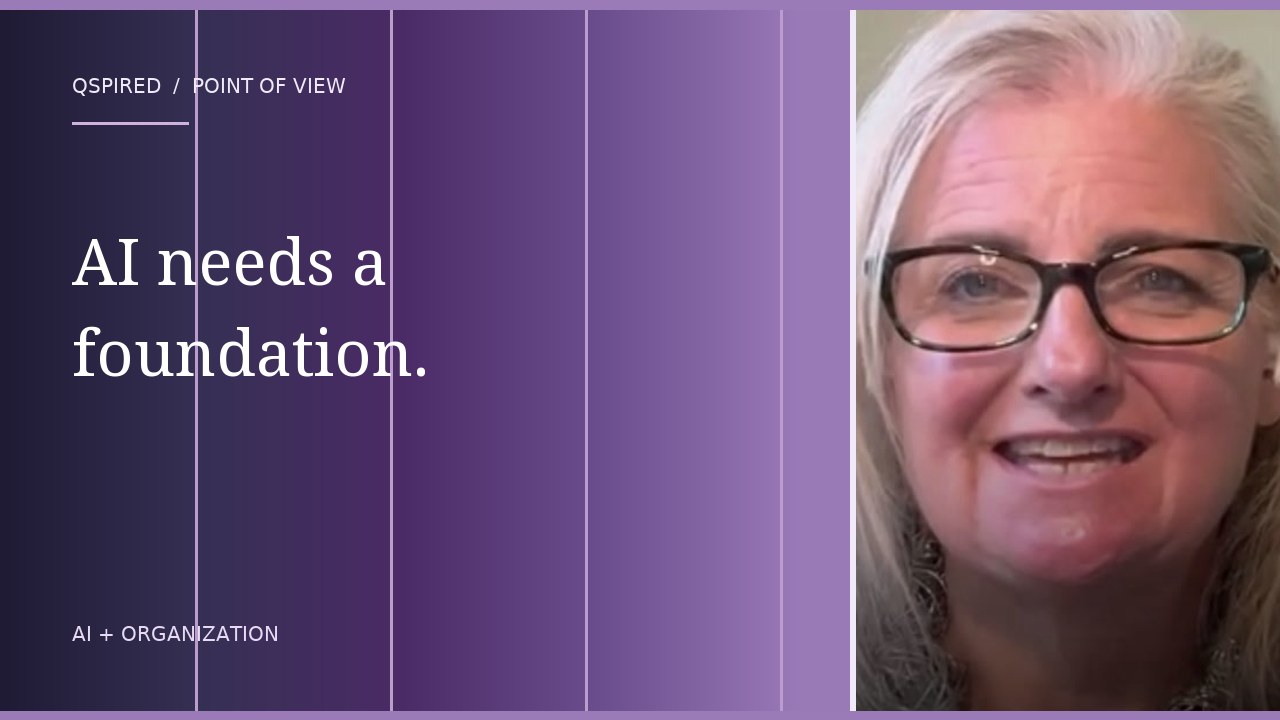
Why we never start with the tool. AI can transform a task overnight, but the payoff comes from the foundations underneath: a clear picture of the work now and in the future, change management, and room for people to advance. Get the architecture right and the tools can do almost anything. Skip it, and nothing holds.
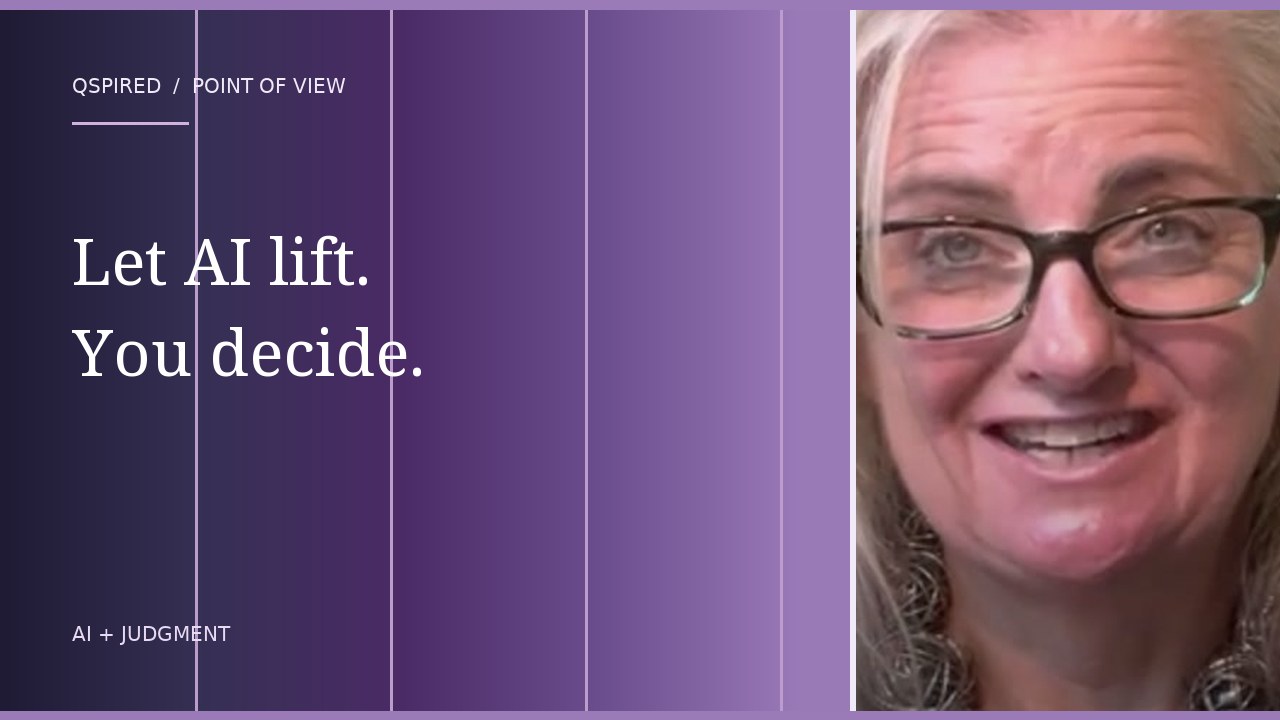
A look at how we work: AI drafts the business plans and the 36-month financial projections, while the questions that matter stay human, How are you thinking about your talent today? What's your compensation philosophy? Where are the workforce pain points? AI does the heavy lifting; the judgment stays with you.
Jobs aren't what they used to be. Somewhere between 15% and 25% of work isn't about a role description at all, it lives in creativity, critical thinking, problem solving, and human connection. Experts say a skills-based talent architecture can take up to three years to build. The organizations that wait are the ones still organizing people around static titles and static tasks.
83% of organizations say they'll reduce headcount this year. But good workforce planning can eliminate that demand before it reaches a layoff decision, by getting clear on the work, repurposing capacity, and maximizing what the organization can do with the people it already has.
AI agents are the next shift in technology: software that doesn't just help the work, it does the work coders used to do, clearing barriers of technology, organizational structure, and budget. The question for leaders is no longer who will build it, but what the reward looks like when the agent does the work.
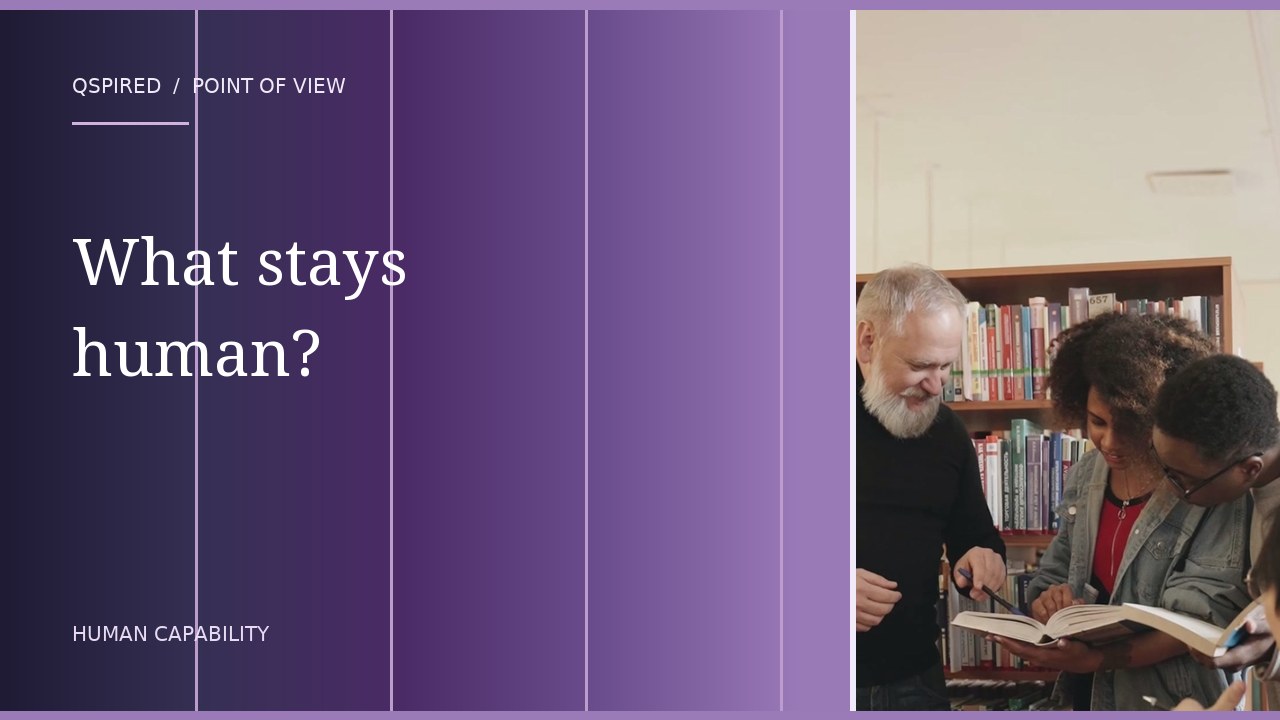
A throwback: there was a time when librarians were how organizations found information. GPT took the lookups, but not the value. Relationship-building, research abilities, and organization are the skills that keep people essential, and they're exactly what organizations need to work well.
Stay connected
Work is changing faster than most people can track. Our mission is to keep your understanding current, when we uncover a new trend or truth, you'll be the first to know.
We don't run discovery calls that feel like sales pitches. Our first conversation is diagnostic, we'll ask what's actually hard right now, tell you honestly whether we can help, and point you in the right direction either way.